
The Importance of Physical Activity in the Prevention of Cardiovascular Diseases
An Important Decision
The Resolution of the President of the Republic of Uzbekistan dated January 20 of this year,
“On Improving Measures for the Prevention of Acute Cardiovascular and Cerebrovascular Diseases,” plays a significant role in strengthening public health.
According to the resolution, starting from May 1, 2026, the National Program for Combating Heart Attack and Stroke, developed on the basis of the international programs “Stent for Life” and “Action Plan for Stroke,” will be gradually implemented across the regions.
Within the framework of the National Program, a system will be introduced that предусматривает:
• annual targeted medical examinations for people over the age of 30 in primary healthcare institutions to ensure early detection of acute cardiovascular and cerebrovascular diseases;
• organization of round-the-clock infarction and stroke teams in inter-district centers for combined injuries and acute vascular diseases;
• development and implementation of patient clinical pathways in accordance with international standards;
• equipping emergency medical teams with telemetric electrocardiographs capable of artificial intelligence-based analysis, as well as monitor-equipped defibrillators.
In accordance with the resolution, medical services for patients with acute cardiovascular and cerebrovascular diseases will be provided in strict compliance with international time standards. In particular:
• emergency medical care will be provided to such patients based on the “golden hour” principle;
• the algorithm for emergency medical services and the patient’s clinical route to specialized medical institutions will be organized in accordance with time standards;
• time standards will also be taken into account when conducting targeted medical examinations and organizing clinical pathways in primary and inpatient healthcare institutions.
Social media and mass media will broadcast public service announcements under the slogan:
“Act Now – Save a Life!”
Every year, on September 29 – World Heart Day and October 29 – World Stroke Day, large-scale public events will be held to improve awareness among the population about monitoring blood pressure, blood sugar, and cholesterol levels, as well as providing first aid in cases of heart attack and stroke.
From March 1, 2026, a coordination council consisting of specialists from national medical centers and foreign experts will begin operating to coordinate medical services in the treatment of acute cardiovascular and cerebrovascular diseases.
What Does Physical Activity Do for the Heart?
Today, cardiovascular diseases are among the leading causes of death both worldwide and in our country. According to statistical data, a significant proportion of deaths in Uzbekistan is associated with diseases of the circulatory system. Therefore, preventing these diseases is more important than treating them. One of the most effective and affordable methods of prevention is regular physical activity.
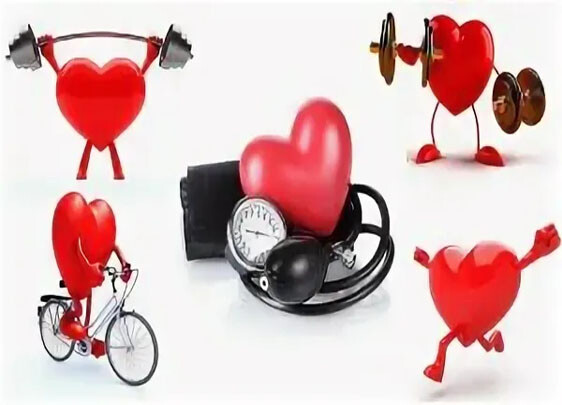
Regular movement strengthens the heart muscle, improves blood circulation, and increases oxygen delivery to the body. As a result of physical exercise:
• blood pressure decreases;
• levels of “bad” cholesterol are reduced;
• the risk of developing diabetes decreases;
• excess body weight is reduced;
• stress and nervous tension are alleviated.
These factors significantly reduce the risk of serious complications such as heart attack and stroke.
How Much Physical Activity Is Needed?
The World Health Organization recommends that adults engage in at least:
• 150 minutes of moderate-intensity physical activity per week, or
• 75 minutes of vigorous-intensity physical activity.
This is equivalent to approximately 30 minutes of brisk walking, cycling, or light exercise each day.
The Most Beneficial Types of Physical Activity
The following types of activity are considered most beneficial for cardiovascular health:
• brisk walking
• swimming
• cycling
• light jogging
• gymnastic exercises
Aerobic exercises improve heart and lung function and increase the elasticity of blood vessels.
Physical Inactivity – A Modern Risk Factor
Today, frequent use of computers and smartphones, along with sedentary work, significantly reduces people’s physical activity. Physical inactivity contributes to the development of:
• hypertension
• obesity
• diabetes mellitus
• atherosclerosis
For this reason, doctors often emphasize that
“physical inactivity is the enemy of the heart.”
How to Increase Physical Activity in Daily Life
Even simple habits can greatly benefit heart health:
• taking the stairs instead of the elevator
• walking to work or to nearby shops
• taking a 5–10 minute walk every hour
• doing morning exercises
Scientific studies have shown that even 30 minutes of brisk walking per day effectively reduces the risk of cardiovascular diseases.
When Should Caution Be Taken?
Individuals with heart disease, hypertension, or other chronic conditions should begin physical exercise only after consulting a doctor. Incorrect or excessive physical load may negatively affect the heart.
In general, physical activity is the most effective and natural “medicine” for preventing cardiovascular diseases. Regular movement allows a person to:
• live longer
• maintain work capacity
• improve quality of life
Therefore, everyone should allocate time for movement in their daily routine and make a healthy lifestyle a fundamental life principle.
Barno Mamieva
Deputy Director
Specialized Scientific and Practical Medical Center of Cardiology and Cardiac Surgery of the Aral Sea Region.

Yurak-qon tomir kasalliklarining oldini olishda jismoniy faollikning ahamiyati
Xonqa tumanida tibbiy ko‘rik tashkil qilindi
Xiva tumanida tibbiy ko‘rik tashkil qilindi
Yakka tartibdagi tadbirkorlar va oʻzini oʻzi band qilgan shaxslar uchun qoʻshimcha soliq imtiyozlari berilmoqda
Halol mehnat – xotirjam hayot va farovon jamiyat
Tadbirkor – elga madadkor
Mehnat shartnomasi – ijtimoiy himoyangiz kafolati